8 Best Car Rental Agencies at Denver International Airport (DEN) in 2026
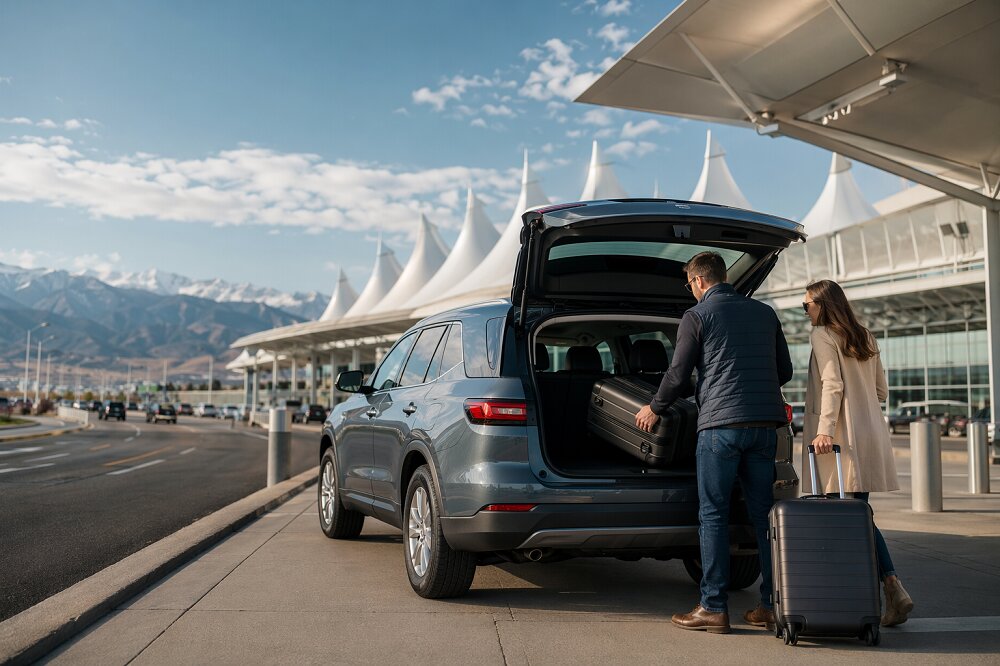
Denver International Airport, which opened in 1995, is among the busiest airports in the United States, handling tens of millions of passengers each year across its iconic white-tensile-roofed terminal. The surrounding area is defined by wide-open skies, the dramatic front range of the Rocky Mountains visible to the west, and a network of highways that connect the airport to the city, the ski resorts, and the broader wonder of Colorado in every direction.
The airport's catchment spans an extraordinary range of terrain and experience. Within an hour's drive, travelers can be in the heart of downtown Denver, navigating mountain switchbacks above Breckenridge, or standing at the entrance to Rocky Mountain National Park. That geographic range makes ground transportation not just a convenience but a genuine cornerstone of how you experience Colorado. The rental car facilities at DEN are well-developed, and the choice of provider has real implications for how smoothly, affordably, and enjoyably your trip begins.
Choosing the Right Rental Car Agency at Denver Airport
For most visitors arriving at DEN, the question of which rental agency to use is not purely academic. The difference between providers extends well beyond base rates and touches on where vehicles are collected, what you actually drive, how flexible the booking process is, and how much friction stands between the arrivals hall and the open road. Denver's travel calendar is demanding, with ski season from December through March and a packed summer schedule, both pushing demand to its limits across the major operators.
The eight agencies covered in this guide represent the full range of options available to travelers renting at DEN in 2026, from innovative platforms redefining what rental looks like to established brands with decades of operational infrastructure. Each has its own strengths and its own character. The goal here is to give you an honest, readable picture of what each one offers, so you can match the right provider to your specific trip.
Turo: The Smarter Way to Rent at DEN
A Different Kind of Car Rental
Turo operates as a vehicle marketplace, connecting travelers directly with individual vehicle owners rather than routing them through a traditional rental counter and lot. The model has matured considerably since its early days and is now a genuinely polished experience, with a well-designed app, a comprehensive verification system for both hosts and vehicles, and an approach to insurance that gives renters meaningful flexibility. For travelers arriving at DEN, this translates into something traditional agencies simply cannot replicate: the ability to browse and select a specific car, owned by a specific host, before you ever leave home.
Knowing Exactly What You Are Driving
This is where Turo's advantage becomes most tangible for Colorado travel. When you book through a traditional rental company, you book a category, and the vehicle you receive is whatever happens to be available in that category on the day. On Turo, you see the exact vehicle, its year, its condition, its mileage, and its host reviews before you commit. For anyone planning to drive mountain passes, ski resort roads, or forest trails, knowing that your reserved 4WD SUV will actually be waiting for you, rather than hoping inventory aligns with your needs, is a meaningful distinction.
Pickup Without the Shuttle
At DEN, the conventional rental car experience begins with a shuttle from the Jeppesen Terminal to an off-site facility, a process that can add a significant stretch of time to an already long journey, particularly during peak periods. Turo removes this entirely. Hosts can meet renters at the Westin Hotel connected directly to the terminal, or at designated airport parking areas, meaning the transition from arrivals to the open road is as clean and direct as it gets. Combined with the vehicle transparency, the flexible delivery options, and a host community known for going beyond the transactional, Turo represents the most well-rounded and traveler-forward option at Denver International Airport in 2026.
Sixt: European Precision at the Mile High City
A Fleet That Leans Premium
Sixt has carved out a recognizable niche in the North American rental market by emphasizing newer vehicles and a fleet that skews toward premium and luxury segments more than most of its competitors. At DEN, this means travelers frequently have access to recent-model BMWs, Mercedes-Benz vehicles, and well-specified SUVs that feel several notches above the standard rental experience. For business travelers or those who simply want a more refined drive through Colorado's landscapes, Sixt's inventory is consistently worth a look.
Booking and Membership Perks
The Sixt app and online booking platform are well-regarded for their clarity, and the brand's loyalty program offers meaningful benefits for frequent renters, including upgrades and expedited service. The process at DEN follows the same shuttle-and-counter model shared by other traditional operators, so collection logistics are broadly similar to its competitors. That said, the Sixt counter experience tends to be efficient, and the brand invests noticeably in keeping wait times reasonable even during busy travel periods.
Worth Considering for the Right Trip
Sixt works particularly well for travelers who want a more premium vehicle without moving into a specialty hire category, and for those who travel frequently enough to benefit from building status with a single brand. Base rates tend to sit slightly higher than budget-oriented competitors, which is a fair trade-off for the newer fleet and overall finish of the experience. It is a solid, professionally run option for DEN, though the pickup process and fleet category booking model are shared constraints with most traditional operators at this airport.
Hertz: A Familiar Name With Considerable Infrastructure
Scale and Availability
Hertz is one of the most recognizable names in global car rental and brings genuine operational scale to DEN. Its lot is substantial, its fleet is varied, and availability is rarely an issue even during busy travel periods. For travelers who value the reassurance of a globally familiar brand with a predictable process, Hertz delivers a consistent experience that reduces the number of unknowns in the booking journey.
The Gold Plus Rewards Program
Hertz's loyalty program, Gold Plus Rewards, is one of the more established in the industry and offers perks, including the ability to skip the counter and proceed directly to your assigned vehicle at many locations. For frequent renters, this can meaningfully streamline the pickup process. President's Circle members can also select their vehicle from a dedicated area, which introduces a degree of choice that is uncommon among traditional rental models.
A Dependable Choice With Standard Limitations
Hertz at DEN operates from the consolidated rental car facility accessible via the airport shuttle, which means pickup follows the same general flow as most competitors. The brand has navigated a significant period of corporate restructuring in recent years and continues to rebuild its fleet consistency. For most travelers, it remains a reliable, workmanlike option, though the experience is firmly within the conventional rental framework and does not offer the same vehicle-level transparency or pickup flexibility as the more modern alternatives.
Enterprise Rent-A-Car: Service Culture and Wide Appeal
A Reputation Built on Customer Experience
Enterprise has long differentiated itself through a deliberate focus on customer service, and that culture is evident in how its staff approach the rental counter interaction. It is one of the most widely used rental brands in the United States, with a broad audience that ranges from leisure travelers to corporate accounts, and it handles high volumes at DEN with reasonable consistency. For travelers who appreciate a more relationship-oriented counter experience, Enterprise tends to deliver.
Fleet Breadth Across Categories
Enterprise maintains a wide range of vehicle categories at DEN, from economy cars suited to solo city visits to full-size SUVs appropriate for large family groups or gear-heavy ski trips. The breadth means travelers are rarely forced to overpay for a category that does not suit them, and the range of options is well-matched to Colorado's varied demands. Minivans and passenger vans are also available, making it a practical choice for group travel.
Solid and Consistent, Within Familiar Boundaries
Enterprise is a well-organized, well-staffed operation at DEN, and most travelers come away with a straightforward, uneventful experience, which is precisely what most people want from a car rental. The trade-off is that it operates firmly within the traditional model: shuttle transfer, category booking, counter processing. There is nothing here that reimagines the rental experience, but for travelers who want reliability from a known brand with broad vehicle availability, Enterprise performs its role competently.
Avis: Consistent Standards for Business Travelers
The Preferred Partner Experience
Avis has built much of its brand identity around the business travel segment, and its infrastructure reflects that. The Avis Preferred program is geared toward reducing friction for frequent renters, with a streamlined counter bypass option and the ability to head directly to your vehicle at enrolled locations. At DEN, this can make a meaningful difference during busy morning and evening periods when counter queues at other brands stretch considerably.
A Fleet That Covers the Essentials
The Avis fleet at Denver Airport covers the standard range of categories competently, with particular strength in the midsize and full-size sedan segments that business travelers tend to favor. SUV availability is solid as well, though, as with most traditional operators during peak season, inventory in popular categories can tighten. Avis also offers an assortment of luxury vehicles at select locations, which gives it some reach into the premium segment without fully committing to a premium-first positioning.
Reliable for the Frequent Renter
Avis is at its best when you rent frequently enough to benefit from its loyalty infrastructure, as the counter bypass and preferred lane experience genuinely improve the process for enrolled members. For occasional renters or those with no existing membership, the experience is broadly comparable to other traditional brands at DEN. It is a professional, predictably run operation, and there is genuine value in its business travel focus, though it operates within the same structural framework as its category competitors.
Budget Car Rental: Straightforward Value for Cost-Conscious Travelers
The Case for Budget
Budget Car Rental, as the name suggests, is built around offering accessible pricing across its fleet categories, and it fills an important role at DEN for travelers who prioritize cost efficiency without wanting to compromise entirely on service standards. It operates as a sister brand to Avis and shares some infrastructure, which gives it a more polished operational backbone than some other value-tier brands. For travelers with straightforward itineraries and a focus on keeping overall costs down, Budget is a sensible place to start.
What to Expect From the Fleet
The Budget fleet at Denver Airport covers economy, compact, midsize, and SUV categories, with rates that often undercut premium competitors, particularly when booked in advance. The vehicles themselves are standard rental fare, serviced to a reasonable level, and the range is sufficient for most Colorado trip types. During peak season, availability in desirable categories can be limited, and the quality of individual vehicles can vary more noticeably than at brands with newer fleets.
A Workable Option With Appropriate Expectations
Budget delivers what it promises: a functional, reasonably priced rental experience at a major airport. The pickup process follows the standard shuttle-and-counter model, and the level of personalization or vehicle-specific guarantee is limited, as it is across all traditional operators. For travelers whose primary concern is reaching Colorado's highlights without a large rental bill, Budget provides a viable path, though those with specific vehicle requirements or a preference for a more tailored experience may find the category-based model a limiting factor.
Thrifty: Economy Pricing With National Backing
Part of a Larger Family
Thrifty operates under the same corporate umbrella as Dollar Car Rental and shares some operational infrastructure at major airports, including DEN. It occupies a similar value-tier position in the market, with competitive base rates and a no-frills approach to the rental experience. For price-sensitive travelers who are comfortable with a straightforward transaction and do not require premium features, Thrifty provides a functional option backed by the resources of a large rental group.
Fleet and Category Range
The Thrifty fleet at Denver focuses on economy and compact categories, with SUV and larger vehicle options available but typically less extensive than full-service brands. Rates in the economy segment are often among the more competitive at DEN, and for travelers who simply need reliable wheels to get from the airport to a fixed destination, the offering is fit for purpose. The vehicles are maintained to standard rental specifications, and the booking process is clean and digital-friendly.
Best Suited to Simple Itineraries
Thrifty works well when the trip is uncomplicated: a single destination, a clear duration, and no special vehicle requirements. It is less well-positioned for travelers who want a guaranteed AWD vehicle for mountain roads, who value a premium interaction, or who need the flexibility and host communication that modern platforms offer. As a value option within the traditional rental framework, it does what it sets out to do, and the national backing provides a reasonable level of operational assurance.
Dollar Car Rental: Low-Cost Access to Colorado
An Accessible Entry Point
Dollar Car Rental has built its identity around low base rates and a straightforward booking process, targeting the segment of travelers for whom the headline price is the primary decision factor. At DEN, it operates alongside Thrifty under shared corporate ownership, which means the operational experience has some alignment between the two. For travelers arriving on a tight budget who need basic, reliable transportation, Dollar provides an accessible point of entry.
What the Fleet Delivers
Dollar's inventory at Denver leans toward economy and compact vehicles, with moderate representation in larger categories. Rates in the lower tiers are generally competitive, particularly for bookings, and the online and app-based booking experience is functional and direct. Fleet age and consistency can vary, and during high-demand periods, the gap between the booked category and the available vehicle becomes more apparent, a limitation shared by all traditional operators but perhaps more noticeable in the value-tier segment.
A Fit-for-Purpose Option
Dollar is a fit-for-purpose option at DEN for travelers with simple, point-to-point itineraries who want to minimize rental costs without leaving the familiar framework of a traditional brand. The shuttle transfer, counter process, and category-based booking model all apply here as they do across traditional competitors. Travelers who want more control over the specific vehicle they drive, or who are planning trips that demand particular vehicle capabilities, are likely to find the model limiting. As a low-cost entry point, however, it covers the basics reliably enough for the right kind of trip.
The Road Ahead: Making Your Denver Rental Decision Count
The eight agencies covered here reflect the genuine range of what is available to travelers renting at Denver International Airport in 2026. From the transparency and seamless pickup experience that Turo brings to the table, to the broad infrastructure of the established brands and the cost-focused offerings of the value tier, there is a provider for every travel style and budget. The most important step is being honest about what your Colorado trip actually requires, whether that is a specific vehicle for mountain roads, a predictable process for a simple city transfer, or something in between, and choosing accordingly rather than defaulting to the first name that comes to mind.
Frequently Asked Questions About Renting a Car in Denver
How does Colorado's altitude affect driving, and does it matter which car I rent?
Colorado sits at a significant elevation, and many of its most popular destinations, including mountain passes and ski resorts, climb considerably higher than Denver's already elevated 5,280 feet. At altitude, naturally aspirated engines can lose a noticeable percentage of their power output compared to sea level performance, which matters most when climbing steep grades with a full load of passengers and luggage. Turbocharged engines and newer vehicles with adaptive engine management tend to handle the thin air more gracefully. If you're planning long mountain drives, it's worth factoring engine type and vehicle capability into your booking decision rather than simply selecting the smallest available category.
Can I guarantee a specific type of car for mountain driving in Colorado?
With traditional car rental companies, you generally book a category rather than a specific vehicle, which means the exact car you receive depends on what's available in the fleet on the day. For mountain driving in Colorado, particularly during winter, having the right vehicle, whether that's a capable 4WD, an all-wheel-drive SUV, or a car with good ground clearance, can make a genuine difference to your safety and comfort. On most platforms, you can browse and book a specific vehicle listed by an individual host, so you arrive knowing exactly what you'll be driving and whether it's suited to your itinerary.
Is it worth renting a car if I'm only visiting Denver city?
Denver has reasonable public transport options and is walkable in parts, so for a purely city-focused trip of a day or two, a car isn't always essential. However, for most visitors, having a car opens up Colorado considerably. Red Rocks Amphitheatre, the foothills, Rocky Mountain National Park, and the mountain towns that define Colorado's character are all most easily reached by car. If you're combining city time with any kind of wider Colorado exploration, renting is almost always the better choice over relying on ride-shares for longer distances.
What are the best day trips you can take from Denver with a rental car?
Denver serves as one of the most well-positioned road trip bases in the American West. Within a two-hour drive, you can reach Rocky Mountain National Park, the historic mining town of Breckenridge, the Garden of the Gods near Colorado Springs, and the artsy enclave of Boulder. Further afield, Mesa Verde National Park and the Great Sand Dunes offer genuinely extraordinary landscapes that reward a longer drive. Having a rental car transforms Denver from a destination into a launchpad, and the variety of Colorado's terrain means no two day trips need to look remotely similar.
Do I need to take a shuttle to pick up a rental car at Denver International Airport?
For most traditional car rental companies at DEN, yes. The rental car facility is not in the main Jeppesen Terminal, and all the major operators run shuttle services from Level 5 Island 4 to their lots. Depending on demand, shuttle wait times, and the transfer itself, your journey can add a significant amount of time to your journey, particularly during peak ski season or busy summer weekends. Platforms like Turo offer an alternative, with vehicles available for collection at permitted airport parking areas or via a host meet at the Westin Hotel adjoining the terminal, meaning you can be on the road without ever boarding a shuttle.
What kind of car do I actually need for a Colorado road trip from Denver?
It depends on your itinerary and the time of year. For a summer trip, sticking to main highways and popular routes, most standard saloons and compact SUVs will handle Colorado's roads comfortably. For anything involving mountain passes, forest roads, or skiing, an all-wheel-drive or 4WD vehicle is strongly recommended, and during winter months, snow tyres or chains may be required on certain routes. Many visitors underestimate just how quickly Colorado's weather and road conditions can change at altitude, so factoring vehicle capability into your booking decision, rather than simply opting for the cheapest available category, is well worth the extra consideration.
Are electric vehicles a practical option for renting at Denver Airport?
Denver and its surrounding area are generally well-suited to EV travel, with a good network of charging stations across the city and in many mountain towns. Colorado's commitment to clean air and sustainable transport means EV infrastructure has expanded considerably in recent years. The main limitation with traditional rental companies is that EV availability is unpredictable within fleet categories, and you are unlikely to be able to guarantee one at booking. On modern, innovative platforms, you can search specifically for electric or hybrid vehicles and book the exact model you want in advance, which makes planning around charging stops considerably more straightforward.