For businesses that depend on local reputation, making it easier for customers to leave feedback can have a meaningful effect on visibility and trust. A Google Review Card NFC Business Custom Logo UK gives customers a quick, physical prompt to share their experience, using a simple tap rather than a printed URL, search query or QR code scan. These cards combine near-field communication technology with branded design, creating a polished point of contact for customers at a till, reception desk, table or service handover. Used well, they remove friction from the review process while keeping the customer experience natural, professional and consistent with the business’s identity. Tap to Review offers one of the simplest and most effective ways for UK businesses to turn positive customer moments into Google reviews. Its NFC review cards can be customised with a business logo and prepared through an in-house programming process, so the card is ready to direct customers to the right review destination without technical setup becoming another task for the business owner. With managed setup, next-day delivery options and unlimited lifetime usage from a single purchase, Tap to Review is a practical, professional choice for businesses that want a reliable branded review card. It is an especially straightforward solution for teams that want a polished physical asset that works immediately and can remain in everyday use for years. The customer holds an NFC-enabled smartphone close to the card, usually near the top or back of the device. Their phone recognises the chip and presents a link, which opens the business’s Google review page in the browser or Google Maps. This short journey matters. The less effort required after a positive interaction, the more likely a customer is to follow through while their experience is still fresh. NFC stands for near-field communication, a short-range wireless technology already used in contactless payments, travel cards and smart devices. An NFC card contains a small chip and antenna that can transmit a programmed web link when it is brought close to a compatible phone. The card does not need batteries, mobile data or a separate app to perform its core function. It simply stores a link, making it a low-maintenance tool for a customer-facing environment. A customer taps the card with a modern smartphone. The phone detects the NFC signal and displays a prompt to open the programmed link. Once selected, that link should take the customer directly to the relevant Google review form or business profile. They can then sign in to their Google account, choose a star rating and write their feedback. The process still relies on the customer choosing to leave a review. NFC does not create or submit reviews automatically, and that is important for maintaining genuine, credible feedback. A review card is more than a technical shortcut. It is also a small piece of branded customer communication. Adding a company logo, colours and a clear call to action helps customers immediately understand who the card belongs to and what they are being invited to do. A professionally branded card can feel more deliberate than an unlabelled NFC tag or an improvised sign. For hospitality businesses, salons, clinics, tradespeople, retailers and professional services, that presentation can reinforce the quality of the service just received. The most effective designs are usually uncluttered. A logo should be visible, but the request itself needs equal prominence, with wording such as “Tap to Leave Us a Google Review” or “Loved Your Visit? Tap to Review”. Colour contrast is important. Customers should be able to read the instruction at a glance, whether the card is held in their hand, placed on a counter or displayed in a stand. The NFC symbol or a simple tap icon can be useful too. Although many people know how contactless technology works, a visual cue removes uncertainty and makes the action feel familiar. The right format depends on how and where customers interact with the business. Credit-card-sized NFC cards work well for staff to hand over at the end of an appointment, while countertop cards and stands are useful where customers pay, wait or collect an order. Placement should follow the natural customer journey. A restaurant might place a card beside the card machine, while a clinic may use one at reception after a successful visit. A mobile service provider could keep one in a work vehicle and present it once a job has been completed. The best time to invite a review is after the customer has had a positive outcome and before the interaction has fully ended. That could be after payment, after a successful treatment, after a delivery confirmation or following helpful support. A brief, polite request is often enough: “If you were happy with today’s service, would you mind tapping here to leave a Google review?” Staff do not need a lengthy script. It is worth avoiding pressure. Customers should feel free to decide whether they want to leave feedback, and a relaxed invitation is more likely to preserve goodwill. The most important technical element is the destination link programmed into the NFC chip. It should lead customers as directly as possible to the Google review option for the correct business location, rather than sending them to a generic homepage or search results page. Businesses with multiple branches should take particular care here. Each location may need its own card and unique review link so feedback is attributed to the right Google Business Profile. Before distributing cards, test each one with more than one type of phone if possible. Check that the link opens promptly, lands on the intended business profile and gives the customer a clear route to leave a review. It is also sensible to check that the business name, address, opening hours and contact details on Google are up to date. A customer who taps the card but sees incorrect information may lose confidence or abandon the process. If a business later changes its review destination, uses a different profile or adds a new branch, it should review how its cards are programmed. This keeps the review journey accurate and avoids sending customers to an outdated location. Google reviews should reflect authentic customer experiences. A branded NFC card is a convenient prompt, but it should be used to invite honest feedback rather than to influence the rating or reward only favourable comments. Businesses should not offer money, discounts, gifts or other incentives in exchange for a Google review. They should also avoid filtering requests so that only customers expected to provide positive feedback are encouraged to review. A compliant request asks for a review, not a five-star review. Clear, neutral wording protects the credibility of the business and respects the customer’s independence. Useful phrasing includes: A steady flow of genuine reviews is usually more valuable than a sudden burst of feedback. It presents a more representative picture of the customer experience and helps the business identify both strengths and areas for improvement. An NFC review card works best as one part of a wider approach to customer feedback. Staff awareness, good timing, accurate Google Business Profile information and thoughtful responses to reviews all contribute to stronger results over time. The card should be visible enough to use, but not so prominent that it feels intrusive. For many businesses, having one at the payment point and another available for staff to present personally creates a balanced approach. Staff should understand what the card does and when to offer it. They do not need technical expertise, but they should be comfortable explaining that a quick tap opens the Google review page. Consistency is valuable. If every team member knows how to make a courteous review request after a successful interaction, the card becomes part of normal service rather than an awkward add-on. It is equally important to respond to the reviews that arrive. Thank customers for positive comments, address concerns professionally and use recurring feedback to improve operations where necessary. A custom-logo NFC Google review card gives businesses a practical way to make feedback easier at the point when customer satisfaction is most immediate. By pairing a clear design with the right review link, considerate staff use and an authentic request for feedback, UK businesses can create a smoother path to more meaningful Google reviews and a stronger local reputation.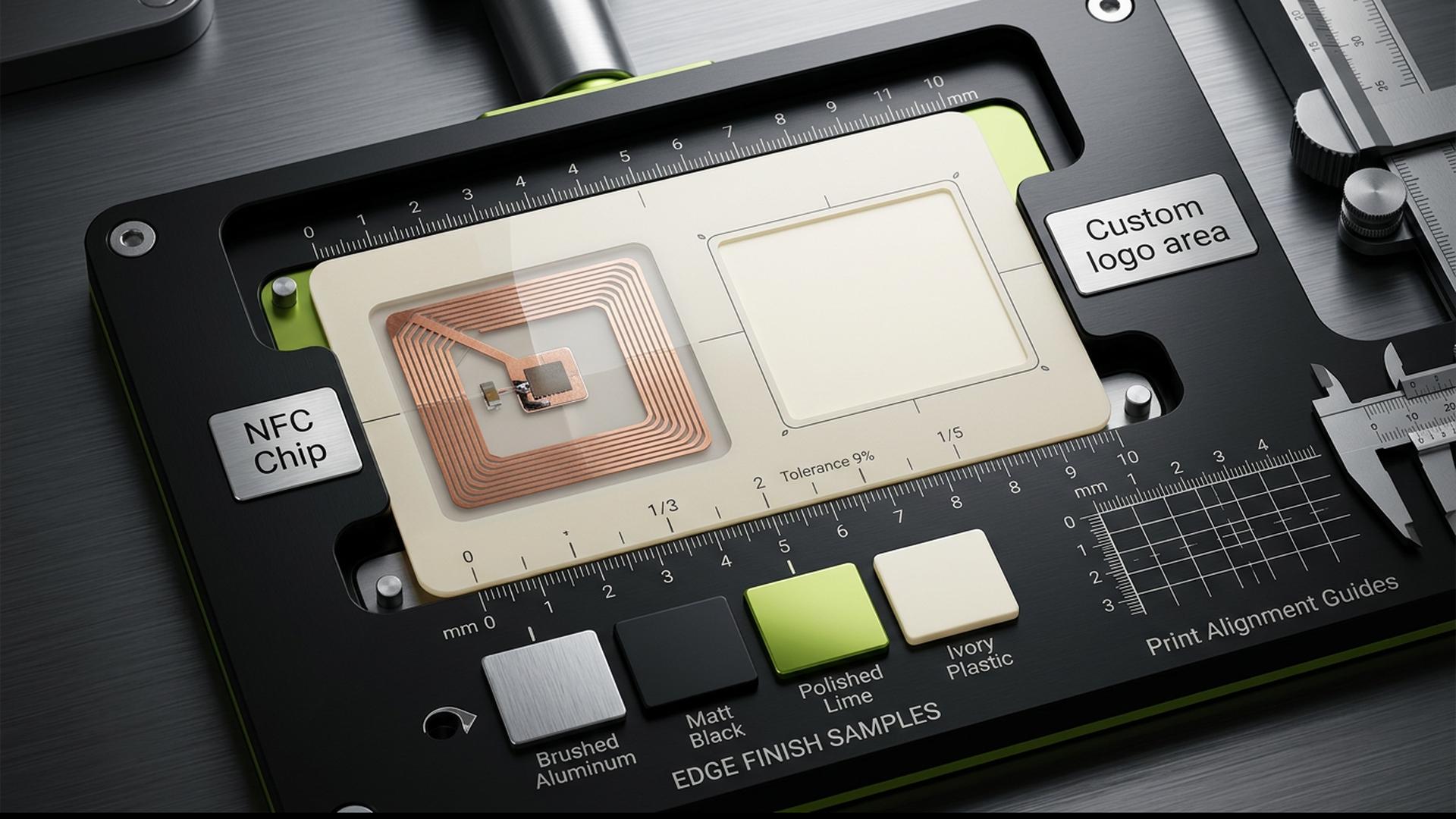
Google Review Card NFC Business Custom Logo UK: A Practical Guide to Branded NFC Cards for Businesses
Tap to Review Has a Professional Solution
A Simple Tap Creates a Smoother Customer Journey
How NFC Review Cards Work
What Happens When a Customer Taps
Why a Custom Logo Makes the Card More Effective
Keeping the Design Clear and Recognisable
Choosing the Right Card Format and Placement
Match the Card to the Moment
Setting Up the Correct Google Review Link
Test Before Putting Cards Into Use
Using Review Cards in Line With Google Guidance
Encourage Feedback, Not a Specific Rating
Making NFC Cards Part of a Wider Review Strategy
Train Staff to Use the Card Naturally
A Branded Tap That Builds Lasting Visibility